Source Adjustable Steel Operating Chair with Swing Out Armrest for offices, clinics, and labs
Find 30 options for an Adjustable Steel Operating Chair with Swing Out Armrest designed for professional environments. Buyers can compare specifications, materials, and pricing to select the right unit for office, clinic, or laboratory use.
Key considerations
Products List


Lightweight Wheelchair with Adjustable Hand Grip and Flip Back Armrest
$121.00 - $130.00
MOQ: 100 Pieces


Hydraulic Patient Lift Transfer Chair for Medical Rehabilitation Purposes
$150.00 - $185.00
MOQ: 1 Boxes


Customized Durable Fixed Armrest Space Saving Foldable Steel Wheelchair
$20.00 - $40.00
MOQ: 100 Pieces


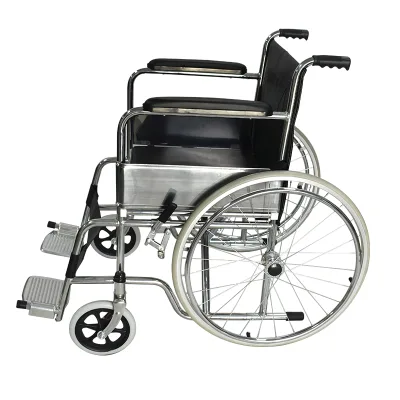


Hospital Wheel Chair Manual Wheelchair with Flip-Backs Arms & Swing-Away Footrests
$160.46 - $180.51
MOQ: 1 Pieces


Comprehensive Sourcing Guide
Strategic Sourcing Guide for Adjustable Steel Operating Chairs with Swing-Out Armrests
Defining Technical Specifications and Structural Requirements
When sourcing an adjustable steel operating chair with swing-out armrests, the primary objective is to identify a unit that balances structural integrity with ergonomic adaptability. The core material requirement for the frame is explicitly steel, a choice that ensures durability and load-bearing capacity essential for high-frequency use in operating environments. The supplied data indicates that the frame construction often utilizes steel, sometimes in conjunction with aluminum alloy components for specific sub-assemblies, though the primary structural element remains steel. Buyers must verify that the steel used meets the necessary tensile strength requirements for the intended weight capacity, which can range up to 100kg based on observed product specifications.
The "swing-out" armrest feature is a critical functional attribute. In the context of the available data, armrests are listed as a standard feature ("With Armrest"), and the customization options suggest that the configuration of these armrests can be tailored. A swing-out mechanism allows the armrest to pivot away from the seat, facilitating easier access for users, particularly in tight spaces or when transferring from a wheelchair to the chair. This is distinct from fixed armrests and is often required for medical or laboratory settings where space efficiency is paramount. The data also notes that some models feature "Both Sides Separate" leg rest types, indicating a high degree of modularity that may extend to the armrest assembly.
Adjustability is another non-negotiable specification. The product attributes confirm that height adjustment is available ("Adjustable"), which is vital for aligning the chair with various work surfaces or operating tables. The standard dimensions observed in the market include seat widths ranging from 400mm to 490mm, and overall dimensions such as 820320950mm or 1270x(620/670/720)x1300mm for specific models. Buyers should ensure that the adjustable range of the chair covers the specific needs of the operator, verifying the minimum and maximum height settings against the intended user's anthropometric data. The presence of a "Rotary" feature suggests that the chair may also offer 360-degree rotation, adding another layer of flexibility to the workspace.
Compliance and Certification Verification
Navigating the regulatory landscape is essential for procurement in the medical and industrial sectors. The operating chair must adhere to strict safety and environmental standards. The supplied facts highlight several certifications that are relevant to the market, including CCC (China Compulsory Certification), CE (Conformité Européenne), RoHS (Restriction of Hazardous Substances), and ISO (International Organization for Standardization) certifications. While the data lists these certifications, it is crucial for buyers to understand that certification status is not universal across all listed products. A specific model may carry the CCC mark, while another might only be certified under ISO standards.
Buyers must verify the specific certification scope for the exact model being purchased. For instance, the CE mark indicates compliance with European health, safety, and environmental protection standards, which is often a prerequisite for selling in the EU market. The RoHS certification ensures that the chair does not contain hazardous substances like lead or mercury, which is particularly important for equipment used in sterile or controlled environments. The ISO certification generally relates to quality management systems, but specific ISO standards for medical devices or furniture safety should be requested and validated.
The data also mentions "Export Standard Packing" and "Carton" packaging, which implies that the product is designed for international shipping and likely meets the logistical requirements for export. However, the absence of a specific certification on a product listing does not necessarily mean the product is non-compliant; it may simply mean the certification is pending or applies to a different batch. Procurement teams should request valid, current certification documents from the supplier for the specific batch or model number before finalizing any order. Relying on general category knowledge that these certifications exist is insufficient; direct verification of the certificate numbers and their validity dates is required to mitigate compliance risks.
Cost Drivers and Pricing Structure Analysis
Understanding the cost structure of adjustable steel operating chairs requires an analysis of material inputs, customization levels, and order volume. The observed price range in the market spans from $1 to $1050 USD, a wide variance that reflects differences in build quality, feature sets, and order quantities. The lower end of this spectrum likely corresponds to basic models with standard steel frames and minimal adjustability, while the higher end includes chairs with advanced ergonomic features, premium finishes, or specialized certifications.
The Minimum Order Quantity (MOQ) is a significant cost driver. The data indicates an MOQ of 100 pieces for certain product lines, while other models may have an MOQ of just 10 sets. This disparity suggests that suppliers may offer tiered pricing structures where the unit cost decreases significantly as the order volume increases. For buyers requiring only a few units, the unit price will be higher, and the MOQ constraint may necessitate purchasing more inventory than immediately needed. Conversely, large-scale procurement can leverage the lower MOQ thresholds to negotiate better rates, provided the supplier has the capacity to handle the volume.
Customization is another major factor influencing cost. The product attributes confirm that customization is "Available" and that the design accepts OEM (Original Equipment Manufacturer) requests. Customizing the chair to include specific colors, logo placement, or unique armrest configurations will incur additional tooling and production costs. The data notes that colors can be "Customized Accept" and that materials can be "Fabric or as Your Request," which implies that deviating from standard stock options will increase the unit price. Buyers should factor these potential surcharges into their budget planning.
Additionally, the material composition affects pricing. While steel is the primary material, the use of aluminum alloy or specific fabric types can alter the cost. The net weight of the chairs, ranging from 12.5kg to 18.8kg, also impacts shipping costs. Heavier chairs require more robust packaging and incur higher freight charges, which can be a hidden cost driver in the total landed cost. Buyers should request a detailed breakdown of costs, including material, labor, customization, and logistics, to ensure transparency in the pricing structure.
Typical Applications and Operational Context
Adjustable steel operating chairs with swing-out armrests are designed for environments where precision, hygiene, and accessibility are paramount. The primary application is in medical and surgical settings, where the chair must accommodate medical personnel who need to move freely and access patients or equipment quickly. The swing-out armrest feature is particularly valuable in operating rooms, allowing staff to slide the armrests out of the way to get closer to the patient or to maneuver around surgical tables without obstruction.
The data also points to the chair's suitability for general operating environments, indicated by the "Gaming Chair" and "Ordinary Wheelchair" classifications in the broader market data, though the specific "operating chair" designation implies a more specialized use. The "New" condition of the products suggests they are intended for fresh installations rather than refurbishment projects. The "Modern" style and "Foldable" or "Unfolded" options indicate versatility in deployment, allowing the chairs to be stored compactly when not in use or deployed for active duty.
In laboratory or research facilities, these chairs provide a stable and adjustable seating solution for technicians who need to perform detailed tasks. The steel frame ensures the chair can withstand the rigors of a busy lab environment, while the adjustable height allows for alignment with various workbenches and microscopes. The "Both Sides Separate" leg rest type mentioned in the data suggests that these chairs may also be used in settings where users require extended periods of seated comfort with leg support, such as in recovery areas or long-duration monitoring stations.
The "Export Standard Packing" and "Carton" packaging further support the use of these chairs in global supply chains, making them suitable for international hospitals, clinics, and industrial facilities. The ability to customize the chair to specific brand or facility requirements allows for seamless integration into existing operational workflows. Buyers should consider the specific workflow of their facility when selecting a model, ensuring that the chair's dimensions and features align with the physical constraints and operational needs of the space.
Supplier Evaluation and Quality Assurance Protocols
Selecting the right supplier is critical to ensuring the reliability and longevity of the operating chairs. The data indicates that suppliers are located in Hebei, China, a region known for its manufacturing capabilities. However, the location alone is not a sufficient indicator of quality. Buyers must evaluate suppliers based on their ability to meet the specific technical and compliance requirements outlined in the sourcing guide.
Quality assurance should begin with a thorough review of the supplier's production capabilities. The "Design: Accept OEM" attribute suggests that the supplier has the flexibility to modify designs, but buyers must verify that the supplier has the necessary engineering resources to execute these modifications without compromising structural integrity. The "Customizable" standard and "Customized" material options indicate a high level of flexibility, but this flexibility must be managed through rigorous quality control processes.
Buyers should request detailed product specifications and test reports for the specific models they are considering. While the data lists certifications like CCC, CE, and ISO, these should be verified as current and applicable to the specific product batch. The "1 Year" warranty mentioned in the data is a standard offering, but buyers should negotiate for extended warranty periods or specific clauses regarding the armrest mechanism and height adjustment systems, which are high-wear components.
The "Export Standard Packing" and "Carton" packaging are positive indicators, but buyers should also inspect the packaging materials to ensure they provide adequate protection during transit. The "Folded" and "Unfolded" states of the chairs suggest that the packaging must accommodate both configurations, which requires careful design to prevent damage. Buyers should consider conducting pre-shipment inspections to verify that the chairs meet the agreed-upon specifications, including the swing-out armrest functionality, height adjustment range, and overall build quality.
Long-Term Procurement and Lifecycle Management
Procuring adjustable steel operating chairs is not just a one-time transaction but a long-term investment that requires careful lifecycle management. The "1 Year" warranty provides a baseline for support, but buyers should plan for the long-term maintenance and replacement of these units. The steel frame is durable, but the moving parts, such as the swing-out armrests and height adjustment mechanisms, are subject to wear and tear.
Buyers should establish a maintenance schedule that includes regular inspections of the armrest pivots, the height adjustment gas lift or mechanical systems, and the overall structural integrity of the frame. The "Rotary" feature also requires periodic lubrication and checking for smooth operation. Ensuring that spare parts are available is crucial for minimizing downtime. The "Customized" nature of some chairs may complicate the availability of spare parts, so buyers should confirm the supplier's policy on parts availability and lead times for replacements.
The "Customizable" standard and "Design: Accept OEM" attributes offer opportunities for future upgrades or modifications. As operational needs evolve, buyers may wish to add new features or change the configuration of the chairs. A supplier that supports ongoing customization and provides a clear roadmap for product evolution can be a valuable partner in the long term.
Finally, buyers should consider the environmental impact of the chairs. The "RoHS" certification indicates that the materials used are free from hazardous substances, which is a positive step towards sustainability. However, buyers should also inquire about the recyclability of the steel and fabric components at the end of the chair's life. Establishing a clear end-of-life plan can help organizations meet their sustainability goals and reduce waste. By focusing on these long-term considerations, buyers can ensure that their investment in adjustable steel operating chairs remains valuable and effective over many years of service.
FAQs
What certifications are available for these chairs?
Available certifications include CCC, CE, RoHS, and ISO. Buyers must verify that the specific model they select carries the required certification documents, as not every listed product satisfies all standards.
Can the chair height be adjusted for different users?
Yes, the chair features adjustable height settings to accommodate various user needs. This adjustability is essential for aligning the seat with different work surfaces or operating tables in medical environments.
What is the minimum order quantity for these products?
The minimum order quantity varies by model, ranging from 10 sets to 100 pieces. Buyers should check the specific MOQ for the desired model before finalizing any purchase order.
Where are these chairs manufactured?
The products originate from Hebei, China. This location is a known manufacturing hub, but buyers should confirm the specific factory details for each batch to ensure quality and logistics planning.
Is customization available for the chair design and materials?
Customization is available for design, color, and materials such as fabric or steel. OEM requests are accepted, though this may affect the unit price and lead time depending on the complexity.
What is the warranty period for these operating chairs?
The standard warranty period is one year. Buyers should review the warranty terms to understand coverage for high-wear components like the armrest mechanism and height adjustment systems.
How is the chair packed for international shipping?
The chairs are packed using export standard packing or carton packaging. This ensures protection during transit, but buyers should verify the packaging details to prevent damage during shipping.